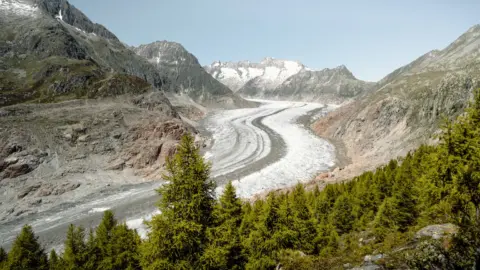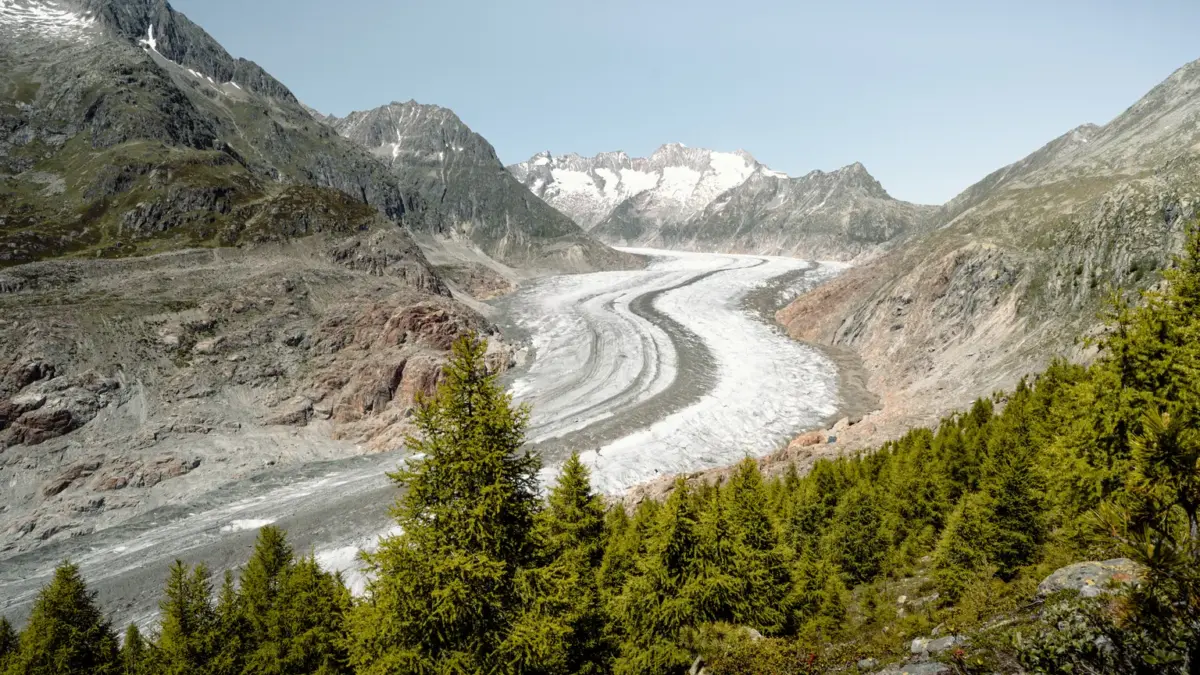
Alps glacier collapse, USA News: Warming global temperatures are driving rapid environmental decay across major mountain ranges, raising urgent concerns that devastating events similar to this summer’s catastrophe in Nepal could soon strike the European Alps. Writing about the accelerating deterioration of high-mountain regions, glaciologist Jonathan Bamber notes that thawing ground and retreating ice are dangerously destabilizing vulnerable slopes worldwide.
This summer, a catastrophic glacier collapse in Nepal’s Langtang Lirung mountain range resulted in approximately 1,500 deaths, widespread destruction, and thousands of displaced residents. Scientists point to global warming as a primary destabilizing factor, with thawing permafrost and increased meltwater weakening mountainsides. Similar hazards are rapidly manifesting across the European Alps.
In July 2022, a partial collapse of Italy’s Marmolada glacier sent ice and rock across a trekking route, killing 11 people. More recently, extreme rockfall danger forced guides to suspend client ascents on popular peaks such as the Matterhorn and Mont Blanc. Between 2002 and 2003, glaciers in the Swiss Alps lost 10 percent of their volume, putting them on a trajectory to disappear entirely within 20 years if current melt rates persist.
Global climate trends indicate similar catastrophic losses elsewhere. Under current policies, glaciers in western Canada, the US, and Scandinavia are projected to lose 90 to 100 percent of their mass by 2100. Meanwhile, ice loss rates in the Himalaya region have doubled since the 1970s.
Experts emphasize that international funding for climate adaptation and disaster recovery requires immediate strengthening rather than steep cutbacks. Recent reductions in bilateral aid packages by governments including the UK and the US threaten resilience programs in vulnerable nations. Furthermore, the UN’s loss and damage fund faces massive backlogs, with applicant countries awaiting critical relief while facing severe infrastructure destruction.