Reservoir depletion, USA News (London, England): England’s reservoirs could be completely depleted within weeks, potentially leaving families without running water before Christmas, Government ministers have been warned. Cobra, the government’s emergency committee, is now meeting twice weekly to discuss the worsening water crisis affecting south-west England and Sussex.
A confidential reasonable worst-case scenario prepared by officials projects that water stocks could fall to zero per cent in a matter of weeks. Should no intervention take place, household taps could stop flowing, and construction at a nuclear power station could be disrupted.
Depleted Water Reserves
Two key reservoirs are already dangerously depleted. Wimbleball in Somerset, serving over 400,000 people, stands at just 13 per cent capacity. Ardingly in West Sussex, supplying 280,000 customers, holds only 17 per cent.
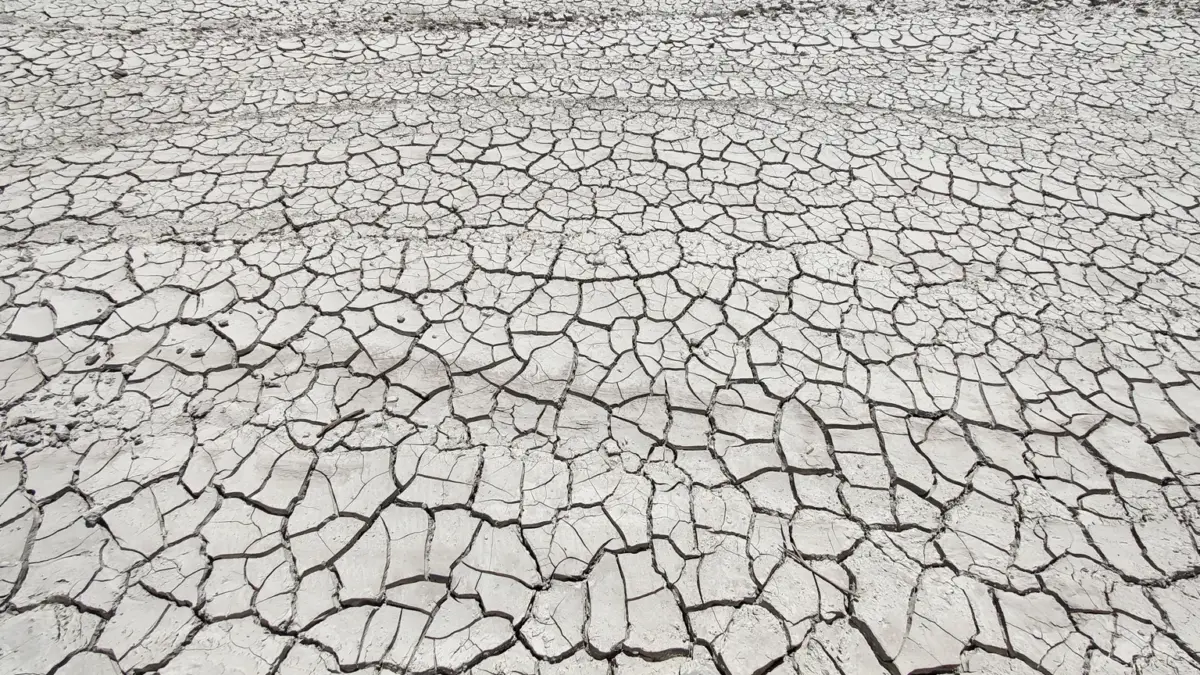
The crisis stems from a summer of unprecedented heatwaves that triggered widespread drought conditions. Sussex and the south-west experienced their driest six-month stretch from April to September in more than a hundred years, and water supplies remain critically low despite two autumn storms passing through. Hosepipe bans persist across several parts of England even now.
Commercial Restrictions and Industry Response
Southern Water, South East Water and South West Water have urged Environment Secretary Dame Angela Eagle to introduce bans on non-essential commercial water use. Such restrictions would prohibit businesses from running car washes, irrigating sports pitches and topping up private swimming pools. Last week, Yorkshire was formally placed under drought conditions, meaning virtually all of England is now affected.
Despite these alarming projections, water companies insist they are taking steps to avert disaster. South West Water has privately assured ministers that Wimbleball will not run dry thanks to preventative measures already in place, and does not foresee restrictions in early November. The firm said it is fixing roughly 440 leaks per week and moving three million litres daily to the most affected areas. South East Water said it did not anticipate a day zero scenario for 2027 given its current interventions. Nevertheless, its chief executive John Halsall cautioned that standpipes could appear on streets for the first time in half a century, describing supplies as being under severe pressure.
Household Consumption and Environmental Measures
Efforts to reduce household consumption have also fallen short, with demand dropping approximately 5 per cent rather than the targeted 10 per cent. Officials have warned that precipitation over the coming six months would need to exceed the average by 120 per cent to achieve a full nationwide recovery. Even with wetter weather returning, experts stressed that typical rainfall levels will be insufficient to undo the damage caused by the prolonged drought.
The Environment Agency has approved drought permits allowing South East Water to cut daily releases from Ardingly into the River Ouse by three million litres, while South West Water may reduce flows to the River Exe by nine million litres each day. However, conservationists fear these measures could prove fatal for salmon and other freshwater species deprived of clean water. Only the North West and North East of England remain outside formal drought status.
A Government spokesman said: Customer water supplies remain uninterrupted. We have instructed water companies to transfer water to support the lowest reservoirs, speed up leak detection and deliver daily monitoring of reservoir and river levels to help ease the pressure on public supplies.